Florida 14-Day PIP Rule: What to Do After a Car Accident

A car accident can leave you with a lot of questions, especially when you walk away without obvious injuries. You may feel a little stiff, shaken up, or even completely fine and assume the worst is behind you.
But the first few hours don’t always tell you how your body responded to the crash. Some symptoms aren’t noticeable until later, and in Florida, there is another reason timing matters: the 14-day PIP rule.
This guide explains what that rule means, why accident symptoms can be delayed, what to watch for, and what you can expect if you come to Oviedo Chiropractic for an auto accident evaluation.
This is general medical and insurance information, not legal advice. Oviedo Chiropractic is a healthcare practice, not a law firm. Questions about liability, settlements, or your legal rights should be directed to a qualified attorney.
What Is Florida’s 14-Day PIP Rule?
Personal Injury Protection, or PIP, is part of Florida’s no-fault auto insurance system. Florida law requires drivers to maintain this coverage.
PIP is designed to help pay medical expenses after an auto accident, regardless of who caused the crash. However, to qualify for PIP medical benefits, you must receive initial medical services and care within 14 days of the motor vehicle accident.
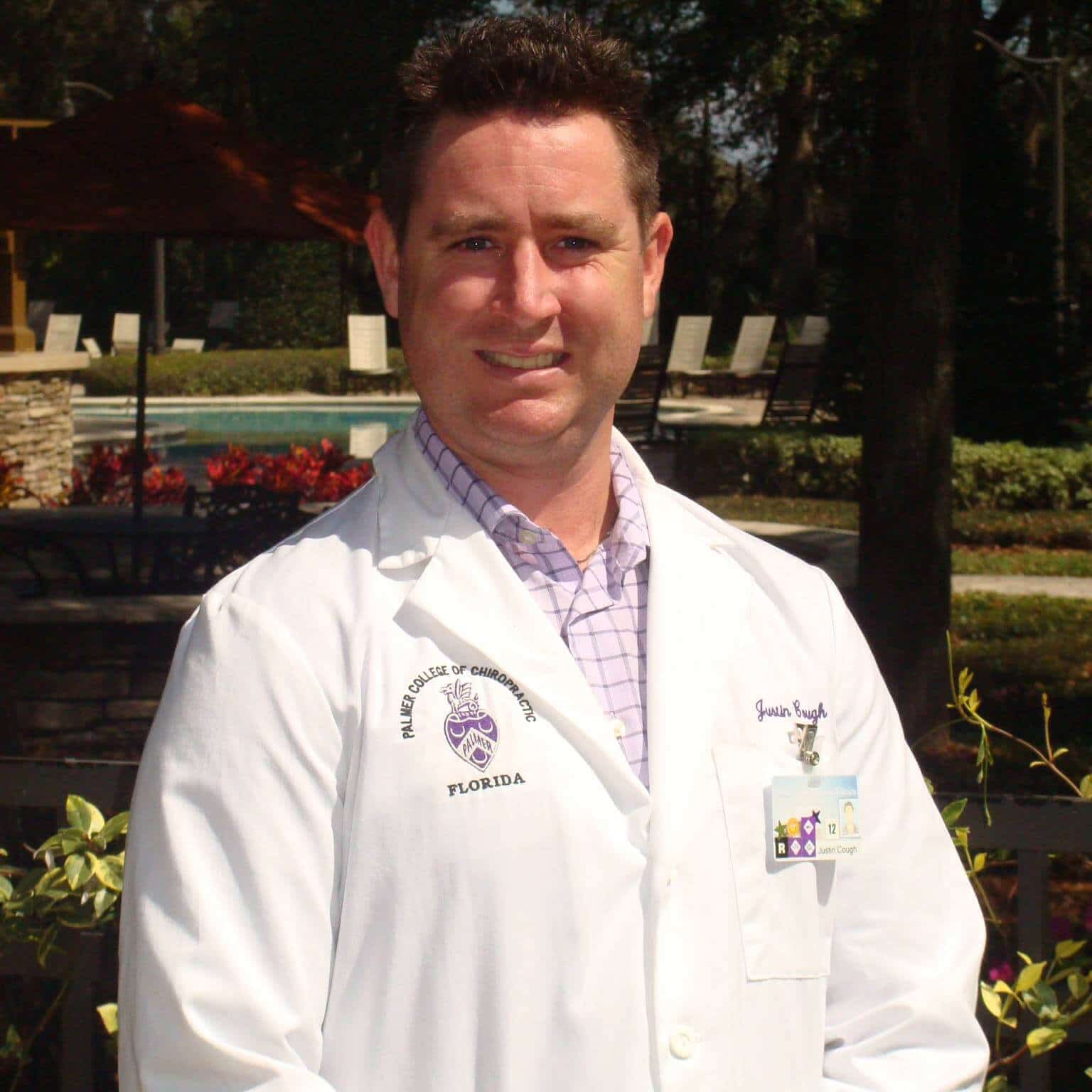
“After an accident, you should get a medical evaluation within those 14 days. The goal is to make sure everything is all right, and if imaging is needed, the sooner the better.”
— Dr. Edgar Rivera, D.C.
That doesn’t mean you should wait until the end of the two-week window to decide whether you need care.
The deadline is fixed. Your symptoms may not be.
That difference is one of the biggest reasons accident patients can unintentionally let those 14 days pass.

We Offer Same-Day Appointments
Why Car Accident Symptoms May Appear Later
Immediately after a collision, your body is dealing with more than the physical forces of the crash.
An accident can trigger an acute stress response. Your sympathetic nervous system becomes more active, and hormones rise as part of the body’s fight-or-flight response. Acute stress can also temporarily alter how strongly some people perceive pain, a phenomenon known as stress-induced analgesia.
It doesn’t affect everyone the same way, but it helps explain why you may not feel the full extent of your discomfort for hours or even days after an accident.
If muscles, ligaments, joints, or other tissues were injured, the body also begins an inflammatory response. Inflammation is part of the normal response to tissue injury and can cause pain, swelling, and loss of normal function. As that response develops, soreness and stiffness may become more noticeable than they were at the scene of the accident.
That creates a common problem: you feel “okay enough” at first, decide to give it a few days, and then keep waiting to see whether the discomfort goes away.
Meanwhile, the 14-day PIP window keeps moving.
Getting evaluated doesn’t mean assuming something serious is wrong. It means finding out what happened before symptoms—or the deadline—make the decision for you.
Common Symptoms After a Crash
Car accident injuries can look different from person to person. Some symptoms are obvious. Others are easy to dismiss or may not immediately seem connected to the accident.
Symptoms our providers commonly see after auto accidents include:
- Neck pain or stiffness
- Low back pain or stiffness
- Muscle soreness or a rigid, tight feeling
- Reduced ability to comfortably turn the neck
- Headaches
- Difficulty getting comfortable while lying down or sleeping
- Burning pain that travels into an arm or leg
- Numbness or tingling
- Weakness in an arm or leg
Symptoms such as a stiff neck or headache can be easy to write off as stress after the accident. But they could also be pointing to an underlying issue that needs intervention.

Symptoms That May Suggest Nerve Involvement
Burning, tingling, numbness, or weakness deserve particular attention because they can sometimes indicate that a nerve or spinal disc may be involved.
For example, irritation or pressure affecting a nerve can cause symptoms that travel away from the spine and into an arm, hand, leg, or foot. That is one reason neurological testing can be important during an accident evaluation.
“Burning, numbness, tingling, or weakness in the arms or legs can be a sign that a disc or nerve may be involved. Those are findings we want to investigate more closely.”
— Dr. Edgar Rivera, D.C.
These symptoms still don’t diagnose the problem by themselves. The purpose of the examination is to determine what the symptoms mean in the context of your history, movement, neurological findings, and—when appropriate—imaging.
If your symptoms are severe, rapidly worsening, or you believe you may have a life-threatening injury, seek emergency medical care immediately. A chiropractic office is not a replacement for an emergency department or emergency medical services. Oviedo Chiropractic likewise directs patients with potentially life-threatening symptoms to call 911.
What to Expect at Your First Accident Evaluation
One concern patients sometimes have after an accident is that going to a chiropractor means they will immediately be placed into a standard treatment plan.
That is not how an accident evaluation at Oviedo Chiropractic works.
The first goal is diagnosis. Treatment decisions are based on the examination and uniquely adapted to you.
Your Accident and Symptom History
The first part of the visit is a conversation.
We want to know what happened during the accident, where you’re feeling symptoms, when those symptoms started, and whether anything has changed since the collision.
Stiffness that began immediately followed by tingling several hours later tells the doctor something different than pain that has stayed exactly the same since the crash. Previous injuries and relevant medical history can also help put the current symptoms into context.
Orthopedic and Neurological Testing
Your physical examination may also include orthopedic testing to evaluate how joints, muscles, and other musculoskeletal structures are functioning.
Neurological testing helps evaluate things such as sensation, strength, and other findings that may indicate nerve involvement.
The goal isn’t simply to confirm that something hurts. It is to narrow down why it hurts and whether there are findings that change how your care should be approached.
The clinic uses orthopedic and neurological findings as part of its diagnosis-led process for determining whether chiropractic treatment, decompression, additional imaging, or referral may be appropriate.
Imaging When Needed
Oviedo Chiropractic has in-house X-ray capability, so when X-rays are medically appropriate, they can often be performed during the evaluation rather than requiring a separate trip to an imaging center.
After trauma such as an auto accident, imaging may be useful to evaluate the structures involved, rule out findings such as a fracture, and determine whether certain treatments are safe and appropriate.
X-rays are not the answer to every type of injury, however.
If the history and examination suggest that more detailed imaging is necessary, the clinic may recommend or refer for an MRI, CT scan, or another appropriate evaluation. Oviedo Chiropractic’s current care process includes outside imaging and specialist referrals when necessary.
Once the examination and any appropriate studies are complete, the doctor can explain what was found and what options make sense for your particular condition.
If treatment is appropriate, same-day treatment is often available.

What Treatment May Look Like After Your Evaluation
There is no single “car accident treatment.”
The care you receive should depend on your specific injuries.
For most patients, chiropractic adjustments and e-stim form the base of care, addressing joint motion and mechanical restrictions. Medical massage therapy focuses on soft-tissue mobilization and muscle tension, relieving soreness.
For certain soft-tissue or musculoskeletal injuries, ReliefNow™ Laser Therapy may be incorporated to support cellular activity, circulation, and the body’s healing response. When testing and imaging indicate disc compression or nerve involvement, spinal decompression may also be considered. Decompression is designed to reduce pressure on irritated discs and nerves and improve spinal mechanics.
Not every patient needs all—or even several—of these therapies. Some patients may need a relatively simple conservative plan. Others may need additional imaging or referral instead.
That is why the evaluation matters more than the treatment menu.
Your Medical Record Matters, Too
Treatment is only one part of accident care.
Your visits also create a medical record documenting your history, reported symptoms, examination findings, imaging when applicable, diagnosis, recommended care, and your response over time.
That documentation gives your providers a dated clinical record instead of requiring you to remember weeks of symptoms from memory. It can also be relevant to the insurance process because it documents when you sought care and what was medically found and treated.
It does not guarantee insurance coverage, a settlement, or any particular legal outcome.
Schedule an Auto Accident Evaluation in Oviedo
If you were recently in a car accident, you don’t need to decide on your own whether the stiffness is “just soreness,” whether the tingling means something more, or which treatment you need.
That is what the evaluation is for.
Oviedo Chiropractic provides auto accident evaluations for patients in Oviedo, Winter Springs, East Orlando, and the surrounding Greater Orlando area. The clinic offers in-house X-rays when appropriate, same-day appointments, and Saturday hours from 8 a.m. to noon.
If your accident occurred within the last 14 days and you have not yet been medically evaluated, do not use the rest of the window as a reason to wait.
Use it as an opportunity to get answers.
Call 407-542-1614 or schedule your auto accident evaluation online.