
Should You Use Heat or Ice For Back Pain?
Ice or Heat for Back Pain: What to Use and When
Back pain can make even simple movements feel difficult. When it flares up, one of the most common questions people ask is simple: should you use ice or heat for back pain?
The answer depends on what is causing your pain. Ice and heat can both help, but they work in different ways. Knowing when to use each can help reduce discomfort, support recovery, and keep the problem from getting worse.
Quick Answer: Ice or Heat for Back Pain
If your back pain is new, sharp, or comes with swelling, ice is usually the better place to start.
If your back pain feels stiff, tight, or keeps coming back over time, heat is often the better choice.
In many cases, both can be useful at different stages. Ice is typically more helpful early on after an injury, while heat tends to work better once swelling has settled or when the issue is more ongoing.
We Offer Same-Day Appointments
Why Ice and Heat Work Differently
The reason this matters comes down to how each method affects your body.
Ice is used to calm irritation. It constricts blood vessels, which can reduce swelling and create a numbing effect that helps ease pain.
Heat works in the opposite way. It increases blood flow to the area, which can relax tight muscles, reduce stiffness, and make movement feel easier.
Because they do opposite things, choosing the right one depends on what your back is dealing with. Matching the treatment to your symptoms is what makes these simple tools more effective.
When to Use Ice for Back Pain
Ice is typically the best choice for acute back pain, especially if the pain started suddenly.
This might include:
- A recent strain or sprain
- A back injury after lifting something heavy
- A sudden flare-up with sharp pain
- Pain that comes with swelling or inflammation
- A back that feels “thrown out”
If the area feels inflamed, irritated, or especially tender, ice can help calm things down. It is also useful right after an injury, when swelling tends to be more active.
Ice can be especially helpful when the pain feels intense and localized. The cooling effect may reduce discomfort enough to make resting and moving around a little easier.
For more insight into sudden back pain, read Help! I Threw Out My Back.
How to Use Ice Safely
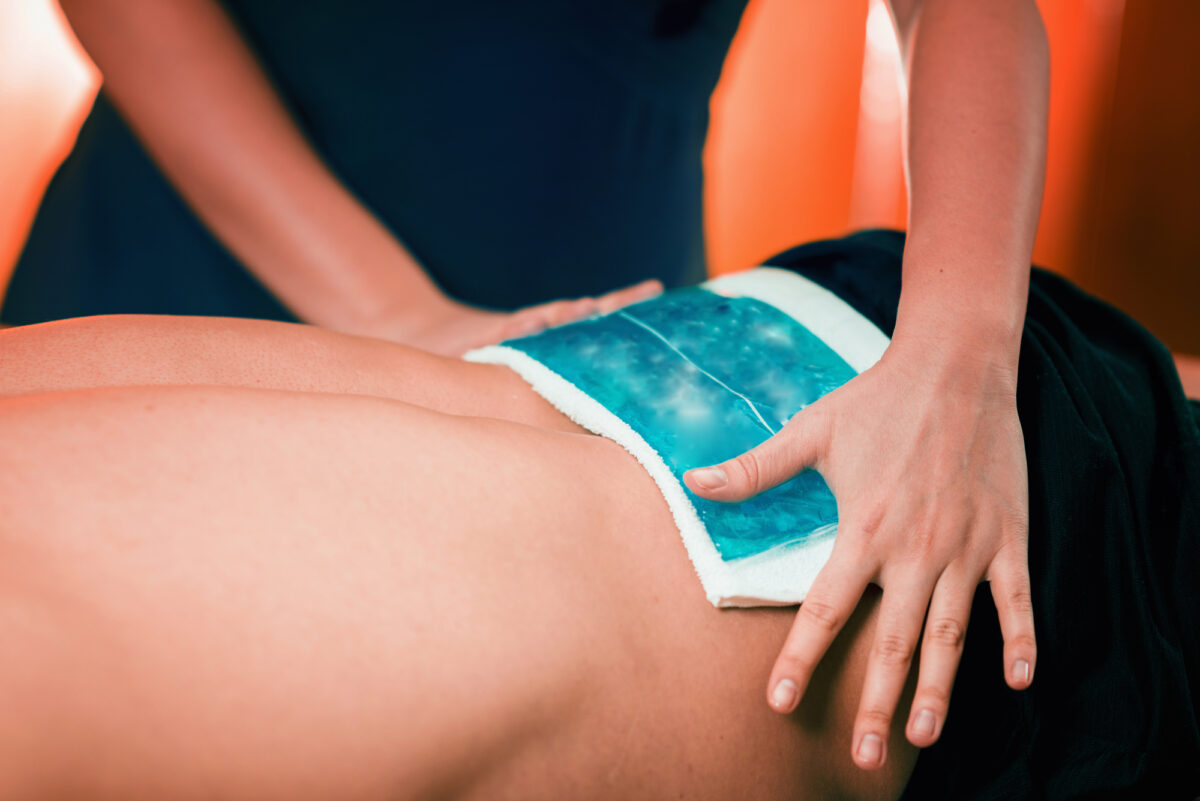
Never apply ice directly to your skin. That can irritate the skin and may even cause an ice burn.
Instead, use:
- A cold pack wrapped in a towel
- A gel pack with a cloth barrier
- A bag of ice wrapped in a thin kitchen towel
A good starting point is 20 minutes on, then at least 40 minutes off before applying again.
If you are already very cold, have circulation issues, or have certain heart conditions, it is smart to check with your physician before using ice therapy.
When to Use Heat for Back Pain
Heat is usually better for chronic or recurring back pain, especially when the pain is more about stiffness and muscle tension than swelling.
This may include:
- Ongoing low back pain
- Tight muscles after sitting too long
- Morning stiffness
- Achy back pain that comes and goes
- Muscle tension related to posture or repetitive strain
Heat helps encourage blood flow to the area. That increased circulation can relax sore muscles and make it easier to move comfortably.
A common example is desk-related back pain. Sitting for long periods can leave the muscles of the low back and hips feeling tight and overworked. In that case, heat may feel more soothing than ice.
Heat may also be helpful for an old injury that acts up from time to time, especially once swelling is no longer the main issue.
If posture or prolonged sitting is contributing to your discomfort, you may also find these related articles helpful: 6 Reasons for Lower Back Pain When Sitting, Benefits of a Standing Desk, and Creating an Ergonomic Workspace That Works.
How to Use Heat Safely
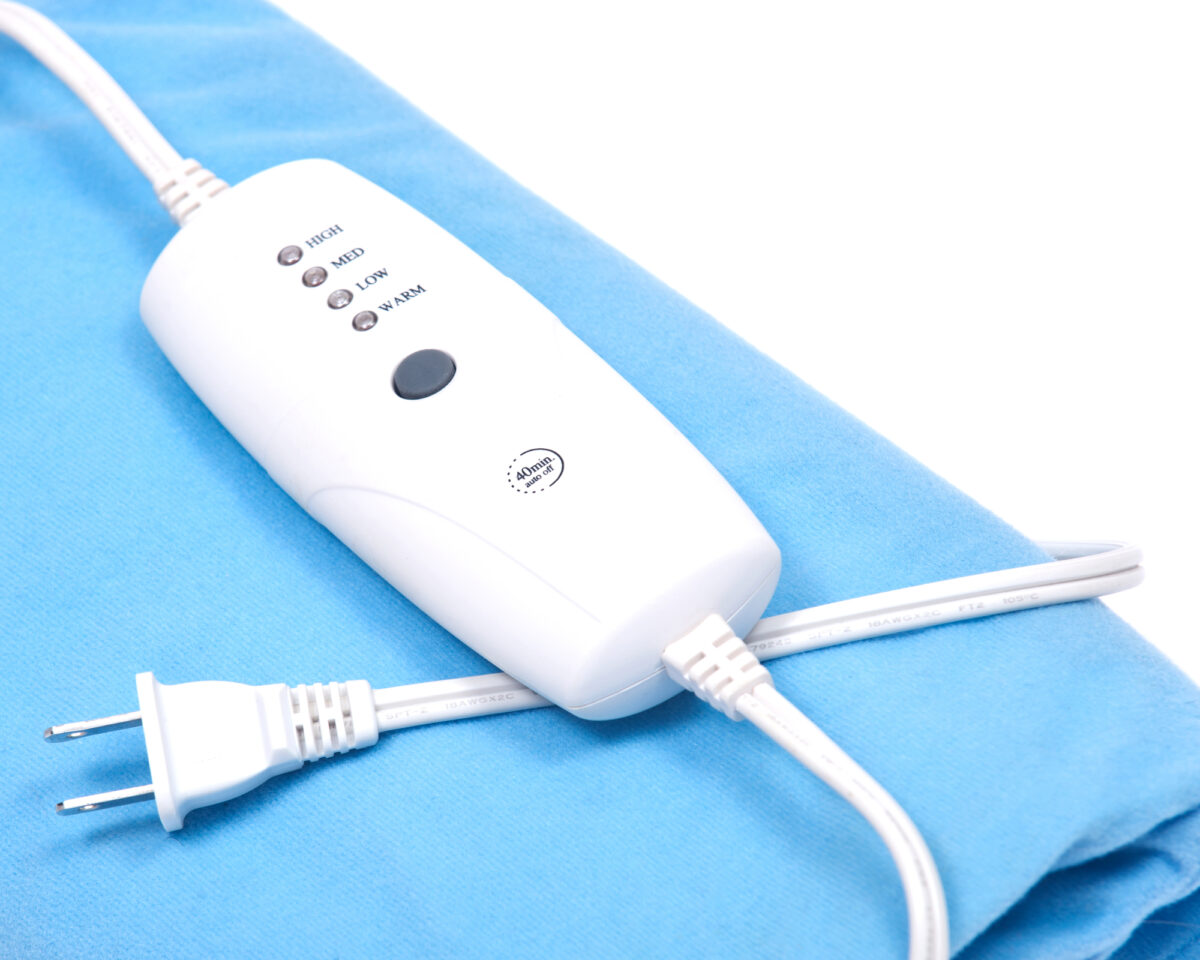
Heat should be warm and comfortable, not overly hot.
You can use:
- A heating pad
- A warm compress
- A microwavable heat pack
- A warm shower or bath
Start with about 20 minutes at a time, then give your skin a break.
Do not apply heat to an open wound, and do not use heat over an area that is actively swollen or inflamed. Also, do not sleep with a heating pad on your body, since that raises the risk of burns.
Ice vs Heat for Lower Back Pain
For lower back pain, the choice often comes down to the type of symptoms you are having.
Use ice if:
- The pain started recently
- You strained your back lifting or twisting
- The area feels inflamed
- The pain is sharp and sudden
Use heat if:
- Your lower back feels stiff or tight
- Pain builds up after sitting or standing
- The discomfort is chronic
- You feel muscle tension more than inflammation
Many people with lower back pain benefit from starting with ice early, then switching to heat later once the acute irritation settles down.
Can You Alternate Ice and Heat?
Yes, sometimes alternating between ice and heat can be helpful.
This approach is often used when the goal is to calm irritation while also relaxing muscles and improving circulation. Ice helps reduce inflammation, while heat can help ease tightness. Used at the right time, both can play a role.
Some experts recommend alternating the two for certain types of back pain. This back-and-forth effect may encourage a pumping action in the tissues by causing blood vessels to constrict and expand. Some research has suggested that alternating heat and ice may work better for acute back pain than ice alone.
In fact, studies have suggested that alternating heat and ice may work better for acute back pain than ice alone.
A simple approach is to use one method, allow the area to rest, then use the other later if appropriate. You do not want to apply both back to back without giving your skin and tissues time to recover.
Common Mistakes to Avoid
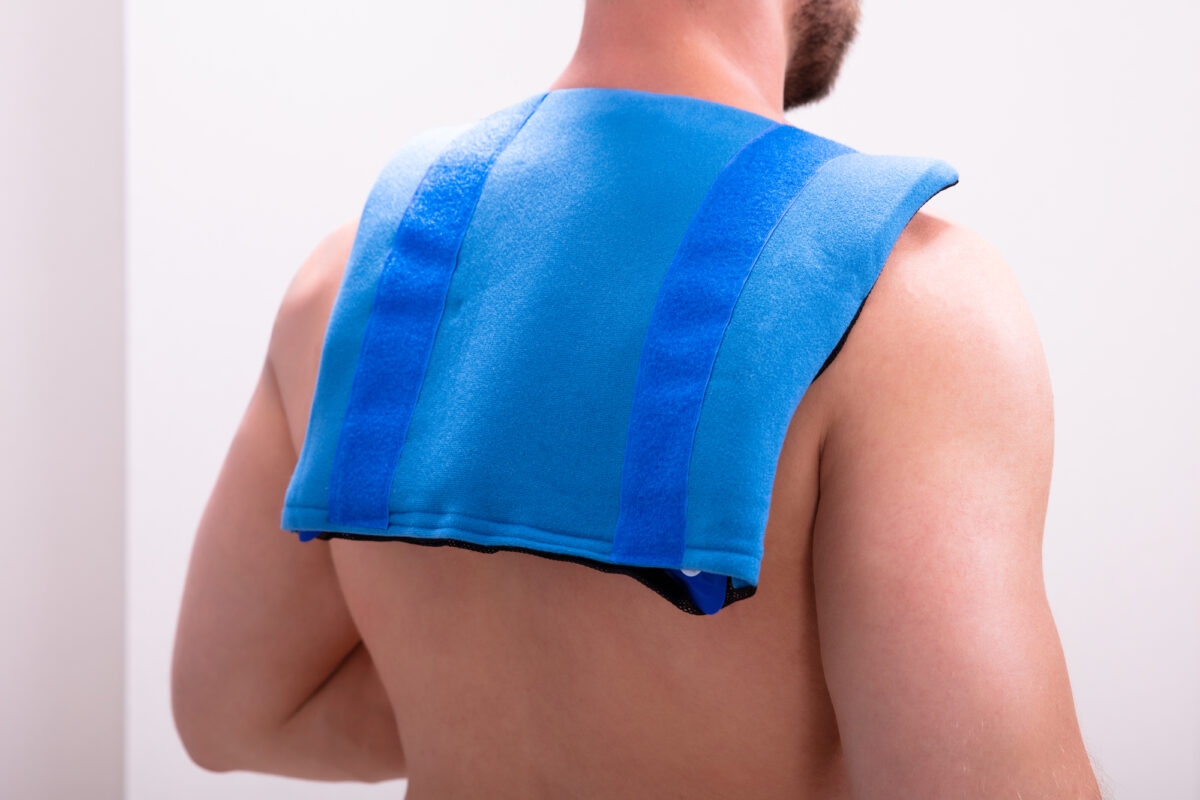
Even simple home remedies can be less effective when they are used the wrong way.
Here are a few common mistakes:
- Using heat on a fresh injury with swelling
- Applying ice directly to the skin
- Leaving a heating pad on too long
- Assuming home care is enough for ongoing pain
- Using heat or ice without paying attention to how your symptoms respond
If one method consistently makes your symptoms worse, stop using it and get evaluated.
When Home Remedies May Not Be Enough
Ice and heat can be great tools for temporary relief, but they do not address every cause of back pain.
If your pain keeps coming back, gets worse over time, or starts affecting your daily activities, there may be an underlying issue that needs more than home care.
Back pain may be related to:
- Joint dysfunction
- Disc issues
- Muscle imbalance
- Sciatica
- Nerve irritation
- Poor movement patterns
- Previous injuries
Home care can be part of the solution, but it is not always the full solution.
Advanced Options for Lasting Relief
While ice and heat can help ease symptoms, lasting relief often comes from identifying and addressing the cause of the problem.
At Oviedo Chiropractic, treatment starts with an evaluation. That may include a physical exam and, when appropriate, in-house X-ray to better understand what is driving your symptoms.
Depending on your condition, care may include chiropractic adjustments to improve joint motion and reduce irritation, along with other conservative treatments designed to support healing and function.
For some patients, ReliefNow laser therapy may also be part of the plan. Laser therapy is a non-invasive treatment that supports circulation and cellular activity in irritated tissues. It is often used alongside chiropractic care as part of a broader recovery strategy.
If your back pain is related to a past car accident or a recurring sports injury, conservative care may help you address the issue more directly.
The goal is not just to make the pain more manageable for the moment. The goal is to help you move better and recover more fully.
When to Get Evaluated for Back Pain
It is a good idea to get checked if:
- Your pain is not improving with rest, ice, or heat
- Symptoms keep returning
- You notice tingling, numbness, or radiating pain
- The pain is interfering with work, sleep, or normal movement
- The episode feels different from your usual back pain
Back pain may be common, but that does not mean it should be ignored. If you are noticing more serious symptoms, read When to Worry About Back Pain: 5 Signs to Look For.
Find the Right Relief for Your Back Pain
If you are wondering whether to use ice or heat for back pain, the best answer depends on what kind of pain you are dealing with. Ice is usually better for fresh injuries and swelling. Heat is usually better for chronic pain, stiffness, and tight muscles. In some cases, both can help at different points in the recovery process.
If your symptoms are not improving, it may be time for a closer look.
At Oviedo Chiropractic, we help patients in Oviedo, Winter Springs, and the Greater Orlando area find conservative, non-invasive care for back pain. If home remedies are no longer enough, schedule an evaluation to find out what is really causing your symptoms and what treatment options may help.