Can I See a Chiropractor For Scoliosis Treatment?

Scoliosis Treatment: Can a Chiropractor Help?
Scoliosis treatment can feel overwhelming, especially if you are trying to avoid surgery. If you have been diagnosed with scoliosis or are dealing with ongoing back pain from spinal curvature, you may be wondering what your options really are.
One question we hear often is: can a chiropractor help with scoliosis treatment? In this article, we will break down what scoliosis is, why it causes pain, and how chiropractic care may support your overall treatment plan.
An estimated 7 million Americans suffer from an abnormal curvature of the spine, a condition known as scoliosis.
Symptoms can range from unnoticeable to severe, but even those with mild scoliosis can find the condition to be a painful detriment to their daily lives. Most people turn to a physical therapist, orthopedist, or primary care doctor for scoliosis treatment, but more and more are turning to chiropractic care as part of a conservative plan.
What Is Scoliosis?
Scoliosis is a condition where the spine curves sideways instead of maintaining a more typical vertical alignment. In a healthy spine, the vertebrae are stacked neatly on top of each other, with a disc of cartilage between each one to provide cushioning and flexibility.
With scoliosis, however, the spine curves unnaturally. Rather than resembling a neat stack of blocks, each vertebra tilts to one side. Scoliosis can be caused by other conditions, such as muscular dystrophy, or can arise seemingly out of nowhere as you get older.
This change in alignment affects how pressure is distributed across your discs, joints, muscles, and nerves. That is one reason scoliosis treatment usually focuses not just on the spinal curve itself, but also on how that curve affects the rest of the body.

We Offer Same-Day Appointments
What Causes Scoliosis Pain?
Even with a fairly mild curvature, scoliosis can cause substantial back pain.
As you can see from the x-ray image above, a lateral, or sideways, curve of the spine compresses the spinal discs on one side, causing those vertebrae to rub against each other. Without the proper amount of cushioning between them, the vertebrae may even develop painful bone spurs.
This misalignment can also strain your joints and pinch your nerves. When nerves become irritated, pain may stay in the back or radiate to other areas.
But scoliosis pain is not limited to the spinal column. Your muscles and tendons are affected as well. Picture a metal spring connected to a network of rubber bands. By pulling the spring in one direction, the rubber bands on one side are stretched while those on the other side contract.
This unnatural position leads to chronic back pain, muscle spasms, and trigger points that may even refer pain to other areas of the body.
If left untreated, spinal curvatures can get worse as the discs and vertebrae degenerate and gravity pulls the spine down further. In more severe cases, spinal deformity can even put pressure on the lungs or digestive system.
Once you understand why scoliosis is so painful, it becomes easier to see how conservative care may help support scoliosis treatment.
Can a Chiropractor Fix Scoliosis?
This is one of the most common questions people ask when looking for a chiropractor for scoliosis.
The honest answer is no. Chiropractors do not fully straighten or “fix” scoliosis. The only known method for structurally straightening scoliosis is surgery, which is typically reserved for patients with curves that are 50° or more.
All other scoliosis treatment methods, including chiropractic, are designed to help prevent the curvature from getting worse and or manage your symptoms to improve your quality of life.
That matters because many people searching “can a chiropractor fix scoliosis” are really asking whether chiropractic care can help them function better and hurt less. For the right patient, that answer may be yes.
While chiropractors are unable to straighten your spine completely, studies have shown a marked improvement in spine curvature, pain, and disability rating among those with scoliosis.
What Chiropractic Care Can and Cannot Do
Chiropractic care is holistic in nature, which means it looks at how the entire body functions as a whole. Its aim is to improve alignment, joint motion, and nerve communication so the body can function more efficiently. A chiropractor for scoliosis can develop a non-invasive, drug-free scoliosis treatment plan that addresses multiple symptoms.
What chiropractic care can do is reduce pain, improve flexibility, support better movement, and make it easier for you to stay active. What it cannot do is guarantee correction of the curve or replace orthopedic evaluation when surgery is being considered.
How Chiropractic Care Supports Scoliosis Treatment
Through a combination of spinal adjustments and flexion distraction to gently stretch thinned areas in your discs, a chiropractor can improve flexibility and range of motion while alleviating much of the pain.

Spinal Adjustments and Joint Motion
When certain joints are not moving well, the surrounding tissues often have to compensate. Gentle chiropractic adjustments may help improve joint motion and reduce stress on nearby muscles and nerves.
Flexion Distraction and Disc Support
For some patients, flexion distraction can help reduce pressure in irritated spinal segments and support healthier disc mechanics. This can be especially helpful when stiffness and compression are contributing to discomfort.
Improving Movement and Exercise Tolerance
And when you can move more freely and easily, it becomes easier to perform the exercises recommended by your orthopedic doctor to strengthen the muscles supporting your spine. That is one reason chiropractic care may fit well into a broader scoliosis treatment plan.
Is Massage Good for Scoliosis?
Yes. Massage therapy can be very helpful at relieving muscles that have been stretched and tightened by scoliosis.
Remember our spring and rubber band analogy from earlier? Abnormal curves in the spine create unnatural pressure and tension in your back muscles. Over time, your muscles become accustomed to these positions and can form trigger points or become stiff and inflexible.
An experienced massage therapist uses a variety of techniques, such as Cranial-Sacral massage, Deep Tissue massage, and Neural Relax therapy, to relax muscles, release trigger points, improve circulation, and bring an overall sense of relief.
Many chiropractors, including Oviedo Chiropractic, have a team of licensed medical massage therapists on-staff that can provide additional treatment for many musculoskeletal complaints.
When to Consider Chiropractic Care for Scoliosis
You may want to consider a chiropractic evaluation if scoliosis is causing ongoing back pain, stiffness, muscle spasms, limited range of motion, or discomfort with daily activities. An exam can help determine whether chiropractic care makes sense for your specific condition and whether it should be combined with other treatment options.
Next Steps for Scoliosis Treatment
Finding scoliosis treatment that provides pain relief without unpleasant side effects starts with understanding your options. Both chiropractic care and massage therapy are tools that can work in conjunction with each other as well as your existing treatment plan. By addressing misaligned joints, stretched muscles, and compressed discs, a chiropractor may help improve your comfort and mobility without drugs or surgery.
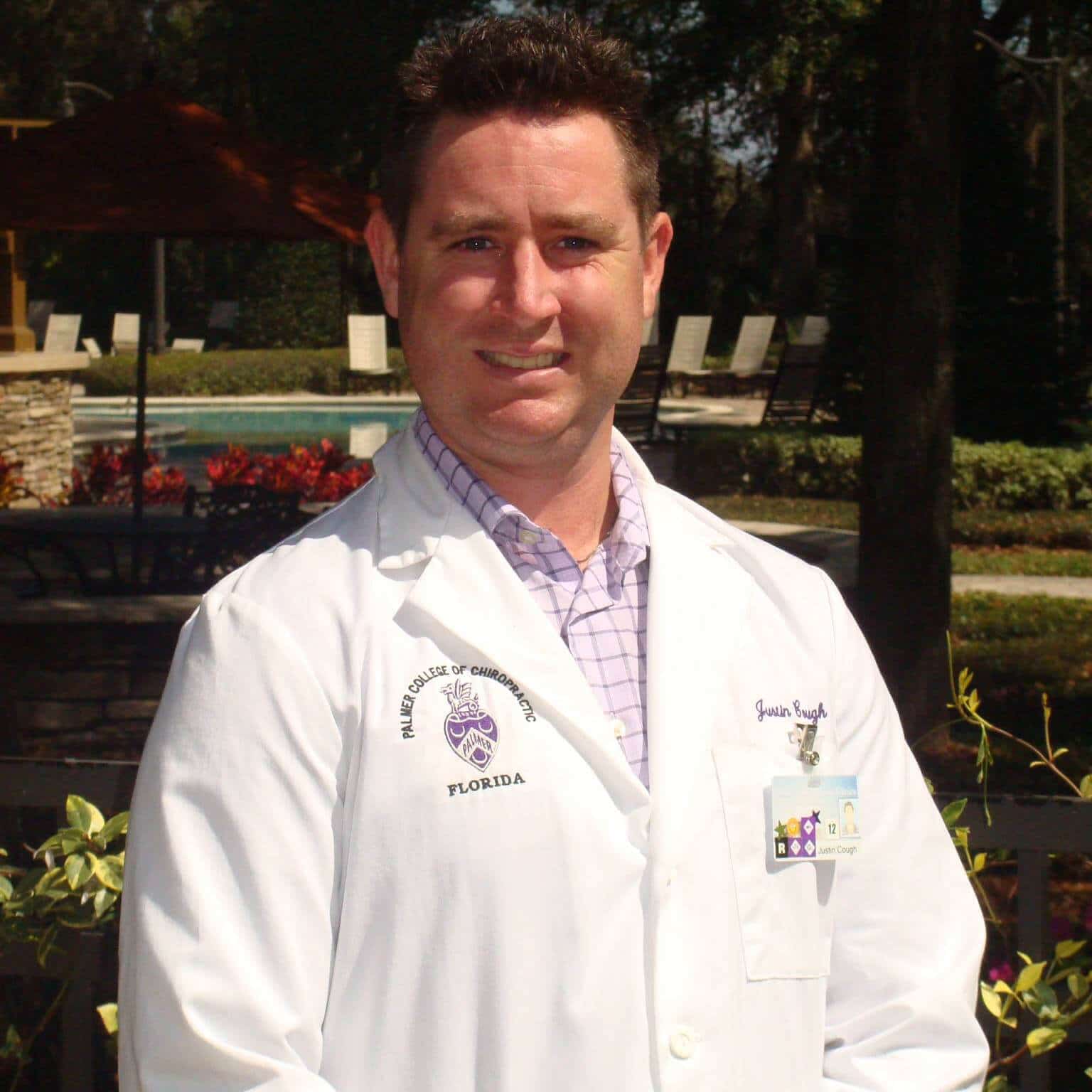
Want to explore whether conservative care is right for you? Visit us at Oviedo Chiropractic, and let Dr. Cough or Dr. Chu develop a scoliosis treatment plan tailored to you. Call 407-542-1614 today or visit our website to make an appointment.