
How a Sciatica Chiropractor Can Help (and When It Can Feel Worse)

If you’ve ever experienced sciatica, you know how uncomfortable it can be. Pain can start in your lower back and travel through your buttock and down your leg, sometimes accompanied by tingling or numbness. Sitting at work, driving, and even sleeping can become difficult.
Chiropractic care is one option for managing sciatica, but what happens if you feel worse after an adjustment? Can a chiropractor actually make sciatica worse?
Yes, it’s possible for chiropractic treatment to aggravate sciatica symptoms. Some people experience temporary soreness after an adjustment, but an increase in shooting leg pain, tingling, or numbness is worth discussing with your chiropractor. These symptoms may mean the irritated nerve isn’t responding well to the treatment.
That doesn’t necessarily mean chiropractic care isn’t right for you. The cause of your sciatica, the treatment being used, and how your symptoms respond all matter. At Oviedo Chiropractic, we examine patients before recommending treatment and adjust our approach when necessary.
Below, we’ll look at what causes sciatica, when chiropractic care may help, and what to do if your symptoms worsen after an adjustment. You can also learn more about our sciatica treatment options in Oviedo.
We Offer Same-Day Appointments
Can a Chiropractor Make Sciatica Worse?
Chiropractic adjustments can sometimes aggravate sciatica, particularly when a nerve is already irritated or compressed. The important distinction is whether you’re experiencing temporary muscle soreness or a change in your nerve symptoms.
Mild soreness or stiffness after an adjustment isn’t unusual, especially if you’re new to chiropractic care. It may feel similar to muscle soreness after exercise and often improves within a day or two. Increased shooting pain, tingling, or numbness is different and shouldn’t be dismissed as a normal response to treatment.
If your sciatica feels worse after an adjustment, contact your chiropractor and explain what’s changed. They may need to modify the technique, examine you again, or recommend additional testing.
At Oviedo Chiropractic, we use orthopedic and neurological examinations to check for signs of nerve involvement. We also have in-house X-ray capabilities when imaging is appropriate. If your symptoms suggest a problem that requires more detailed imaging, such as a herniated disc affecting a nerve root, an MRI or referral to another healthcare provider may be recommended.
When should you seek medical attention? New or worsening leg weakness should be evaluated promptly. Loss of bladder or bowel control or numbness around the groin requires emergency medical care because these symptoms can indicate serious nerve compression.
What Is Sciatica?
Sciatica is pain that travels along the sciatic nerve, usually from the lower back through the buttock and down one leg. It may feel sharp, burning, or electric, and some people also experience tingling, numbness, or muscle weakness.
Symptoms vary depending on where the nerve is irritated. Some people notice pain mainly when sitting or bending, while others have persistent discomfort that affects walking, standing, or sleeping.
Sciatica isn’t a diagnosis on its own. It’s a term used to describe symptoms that commonly develop when a nerve root in the lower spine becomes irritated or compressed.
What Causes Sciatica?
The sciatic nerve is the largest nerve in your body. It forms from nerve roots in the lower spine and travels through the buttocks and down each leg. When one of those nerve roots becomes irritated, pain may travel along the nerve’s path, sometimes reaching the foot.
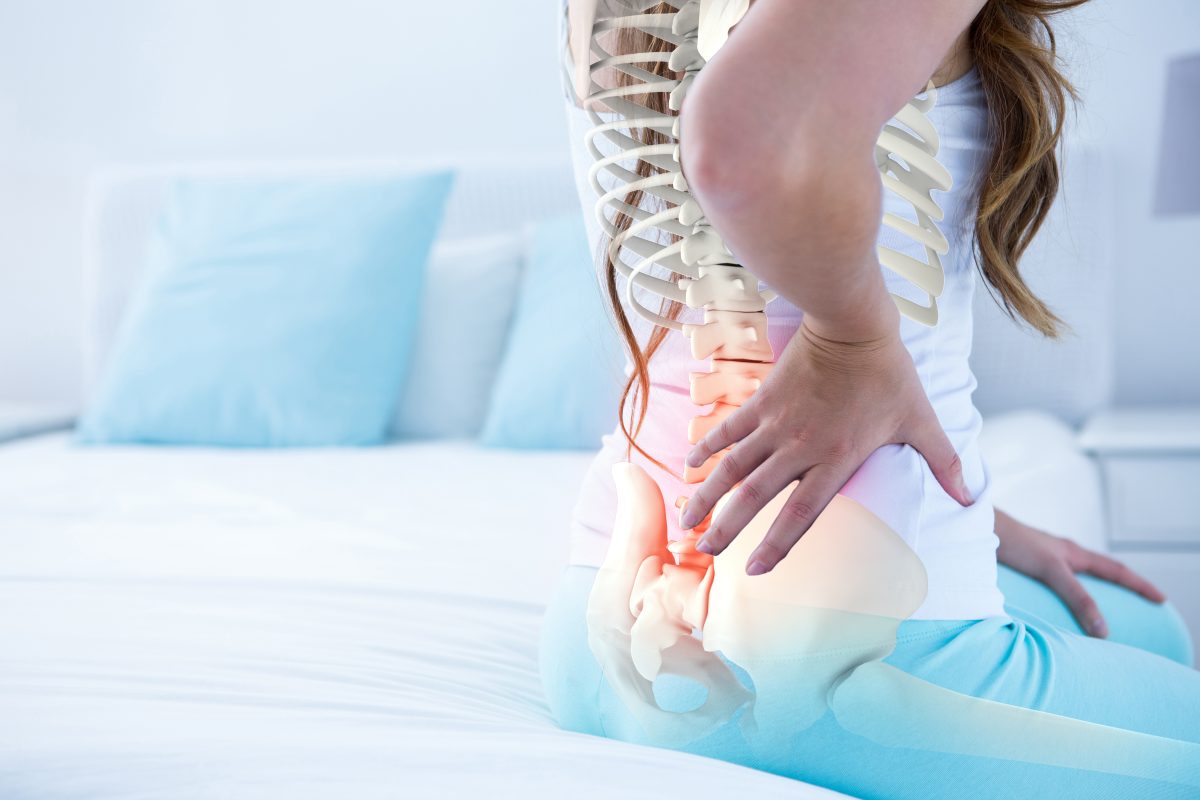
Several conditions can cause sciatica or contribute to similar symptoms:
-
Herniated or bulging discs: Disc material may irritate or compress a nearby nerve root.
-
Degenerative disc changes: Changes in the spinal discs can reduce the space available for nerves.
-
Spinal stenosis: Narrowing around the spinal nerves can put pressure on nerve roots.
-
Muscle-related pain: Tight muscles and trigger points around the hips and buttocks can produce pain that resembles sciatica.
-
Prolonged sitting: Sitting for extended periods can aggravate existing nerve irritation, especially when a disc problem is involved.
-
Posture and footwear: Certain positions and wearing high heels may contribute to lower back discomfort.
-
Pregnancy: Changes in posture and weight distribution can contribute to lower back and radiating leg pain.
Because these conditions don’t all respond to the same treatments, identifying the source of your symptoms matters.
Sciatica Pain Relief
Many cases of sciatica improve with time and conservative care, although recovery depends on what’s causing the nerve irritation. While you’re recovering, the goal is to stay as active as your symptoms allow without making the pain worse.
Short walks and gentle movement can help maintain mobility and prevent stiffness. Prolonged bed rest generally isn’t recommended, but neither is pushing through activities that increase shooting pain or numbness. If a particular stretch or exercise makes your symptoms worse, stop and discuss it with your healthcare provider.
Heat and ice may also help with temporary discomfort. Ice can feel soothing during a painful flare-up, while heat may help relax tight muscles around the lower back and hips.
How Long Does Sciatica Last?
Some people begin improving within a few weeks, while others have symptoms that last for months or return periodically. The timeline depends on the underlying condition and the severity of nerve irritation.
If your symptoms aren’t improving, keep coming back, or interfere with everyday activities, an evaluation can help determine whether additional treatment is appropriate.

Can a Chiropractor Help With Sciatica?
Chiropractic care may help some people with sciatica, particularly when symptoms are associated with mechanical problems in the lower back. The approach will depend on whether the pain is related to a disc problem, joint stiffness, muscle tension, or another condition.
At Oviedo Chiropractic, Dr. Justin Cough and Dr. Edgar Rivera examine your spine, assess your movement, and check for signs of nerve involvement before recommending treatment. Depending on their findings, your care may include:
Chiropractic Adjustments
Adjustments are used to improve movement in spinal joints and address mechanical discomfort. Your chiropractor will choose a technique based on your condition and how your symptoms respond to movement.
Medical Massage Therapy
Medical massage therapy may help reduce muscle tension and improve soft tissue mobility around the lower back, hips, and buttocks. It can be useful when muscle tightness contributes to discomfort, although it won’t address every cause of sciatica.
Stretching and Rehabilitation Exercises
Targeted exercises can help restore strength, improve flexibility, and support more comfortable movement. Your chiropractor may recommend specific exercises and advise you to temporarily avoid movements that aggravate your symptoms.
Spinal Decompression Therapy
Spinal decompression may be considered for certain disc-related conditions. It uses controlled traction to reduce mechanical pressure on spinal structures, but it isn’t appropriate for everyone. Your chiropractor will review your examination findings and relevant imaging before recommending it.
ReliefNow™ Laser Therapy
Laser therapy may be used alongside other treatments to support cellular activity and circulation in affected tissues. It may help manage certain types of pain and inflammation, but results vary and it doesn’t address every cause of sciatica.
Not every patient needs all these treatments. Some people benefit from adjustments and exercise, while others may need additional imaging, a different conservative approach, or referral for medical care.
Can Sciatica Go Away On Its Own?
Yes. Many cases of sciatica improve without chiropractic treatment, especially when symptoms are mild and there’s no significant nerve damage. However, improvement can be gradual, and some people experience recurring flare-ups.
You might feel better for several days, only to notice the pain returning after a long drive, an afternoon at your desk, or lifting something heavy. If this keeps happening, it’s worth investigating the underlying cause rather than relying only on temporary relief.
For mild symptoms, the following may help:
-
Heat or ice: Either may provide temporary relief, depending on what feels most comfortable.
-
Light exercise: Walking and gentle movement can help maintain mobility.
-
Stretching: Appropriate stretches may reduce muscle tension, but stop if they increase nerve pain.
-
Posture and activity changes: Taking breaks from sitting and avoiding positions that aggravate your symptoms may help.
-
Over-the-counter pain medication: Some medications can provide short-term relief when used as directed and when appropriate for your medical history.
What About Sciatica During Pregnancy?
Pregnancy can contribute to lower back and radiating leg pain as changes in posture and weight distribution place additional demands on the body. Symptoms sometimes improve after delivery, although that isn’t always the case.
If you’re pregnant and experiencing persistent leg pain, talk with your healthcare provider about treatment options that are appropriate for you.

Sciatica FAQs
Is It Normal for Sciatica to Hurt More the Day After an Adjustment?
Some muscle soreness after an adjustment can be normal, particularly if you’re new to chiropractic treatment. However, worsening shooting pain, numbness, or tingling may indicate increased nerve irritation. Contact your chiropractor if your symptoms become more intense or spread farther down your leg.
How Long Should Sciatica Soreness Last After Chiropractic Treatment?
Mild muscle soreness often improves within 24 to 48 hours, although everyone responds differently. Worsening nerve pain shouldn’t be treated the same way as ordinary soreness. If your symptoms continue to intensify or you develop new numbness or weakness, seek medical advice rather than waiting for your next appointment.
Should I Continue Chiropractic Adjustments If My Sciatica Is Getting Worse?
Not without discussing the change with your chiropractor first. Your symptoms may need to be reassessed before treatment continues. Depending on the findings, your provider may recommend a different technique, additional testing, or referral to another healthcare professional.
What Makes Sciatica Worse?
Prolonged sitting, bending, lifting, and twisting can aggravate sciatica, although the specific triggers depend on the underlying cause. Pay attention to which activities make your symptoms worse so you can discuss them with your provider.
Can Sciatica Make It Difficult to Walk?
Yes. Sciatica can cause pain, numbness, or weakness that makes walking uncomfortable. Some people also notice changes in balance or difficulty moving the affected leg. New or worsening weakness should be evaluated promptly.
Should I Use Heat or Ice for Sciatica?
Both may help with temporary discomfort. Ice can feel soothing during a painful flare-up, while heat may help relax tight muscles. Choose whichever provides relief, and avoid applying extreme temperatures directly to your skin.
Can Stretching Make Sciatica Worse?
Yes. Some stretches place additional tension on an irritated nerve and can make symptoms worse. If stretching causes shooting pain, tingling, or numbness, stop and ask your healthcare provider which movements are appropriate.
When Should I See a Doctor for Sciatica?
Schedule an evaluation if your symptoms aren’t improving, keep returning, or interfere with daily activities. New or worsening leg weakness needs prompt medical attention, while loss of bladder or bowel control or numbness around the groin requires emergency care.
See a Sciatica Chiropractor in Oviedo, FL
If sciatica is affecting your ability to sit, walk, work, or sleep comfortably, an examination can help identify what’s causing the pain and which treatments may be appropriate.
At Oviedo Chiropractic, Dr. Justin Cough and Dr. Edgar Rivera offer chiropractic adjustments, medical massage therapy, spinal decompression, and other conservative treatments based on each patient’s condition. We also have in-house X-ray capabilities when imaging is needed.
Our office serves patients from Oviedo, Winter Springs, East Orlando, and surrounding communities. Saturday appointments are available, and same-day visits are often possible.
To discuss your symptoms and treatment options, schedule an appointment with Oviedo Chiropractic.